Fmoc-Gly-OH (N-[(9H-fluoren-9-ylmethoxy)carbonyl]glycine) is an Fmoc-protected glycine derivative designed for solid-phase peptide synthesis, serving as a high-purity building block that introduces glycine residues while minimizing racemization and side reactions.
The following parameters are based on the certificate of analysis issued by the manufacturer for each batch.
| Parameter | Value | Remarks |
|---|---|---|
| Chemical Name | N-[(9H-Fluoren-9-ylmethoxy)carbonyl]glycine | Commonly abbreviated as Fmoc-Gly-OH |
| CAS Number | 29022-11-3 | Unique registry number for substance identification |
| Molecular Formula | C17H15NO4 | Consistent with Fmoc protection on glycine |
| Molecular Weight | 297.31 g/mol | Calculated value |
| Purity | ≥99% | Determined by HPLC on each batch |
| Appearance | White to off-white powder | Visual inspection under normal lighting |
| Melting Point | 170–175 °C | Literature range; actual value reported on COA |
| Solubility | Soluble in DMF, DCM, THF | DCM solubility confirmed up to 0.2 M |
| Storage Conditions | −20 °C, dry, airtight | Avoid moisture and prolonged light exposure |
| Packaging Options | 25 g, 100 g, 500 g, 1 kg | Custom pack sizes on request |
What is the price of Fmoc-Gly-OH?
The price depends on quantity and purity. For research quantities (25–100 g) at ≥99% purity, typical unit prices range from $0.30 to $0.80 per gram. Contact the supplier for a current quotation.
Is Fmoc-Gly-OH stable at room temperature?
Short-term handling at room temperature is fine, but long-term storage should be at −20°C in a dry, airtight container. Under these conditions, the compound remains stable for at least 12 months from the date of analysis.
How do I dissolve Fmoc-Gly-OH in DMF?
Weigh the required amount and add to DMF, then stir at room temperature. For a 0.3 M solution, dissolve 89.2 mg of Fmoc-Gly-OH in 1 mL of DMF. Full dissolution occurs within a few minutes.
Can Fmoc-Gly-OH be used with HBTU activation?
Yes, it is compatible with standard HBTU/HOBt activation and other common coupling reagents like HATU and DIC. Racemization remains below 0.1% under standard coupling conditions.
What is the CAS number of Fmoc-Gly-OH?
The CAS number is 29022-11-3. Use this identification when ordering or referencing the compound in regulatory or chemical databases.
Does baishixing offer bulk quantities for manufacturing?
Yes, baishixing supplies Fmoc-Gly-OH at kilogram scale with volume discounts. Lead times and current pricing for bulk orders are available directly from the sales team.
Can I get a certificate of analysis (COA) for every batch?
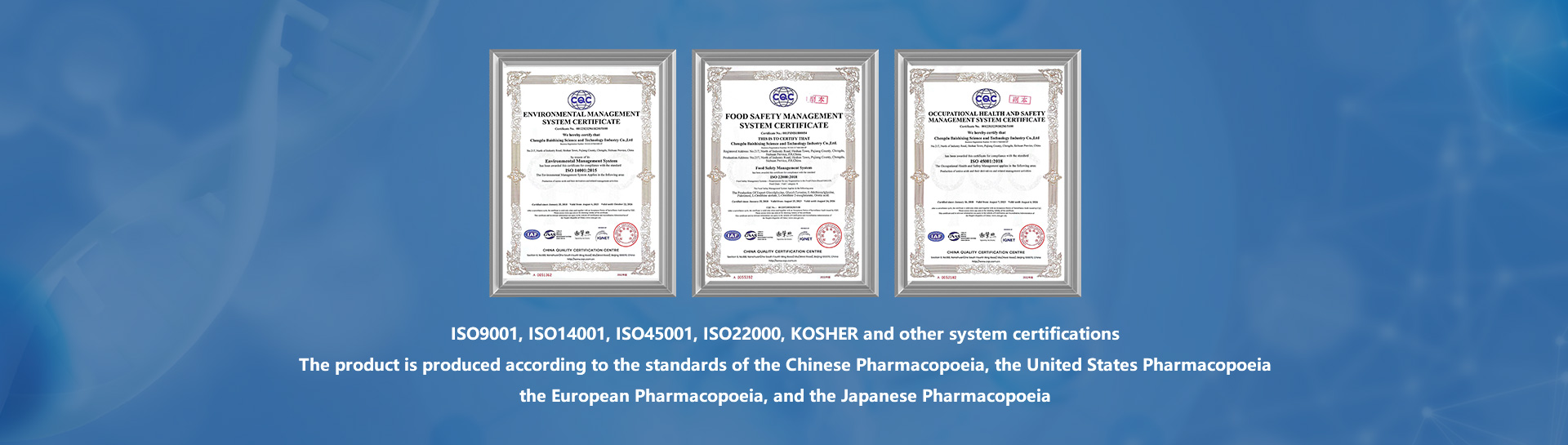
Every shipment includes a COA with test results for HPLC purity, melting point, appearance, and mass spectrometry. Additional analytical data can be provided upon request.
What is the difference between Fmoc-Gly-OH and Boc-Gly-OH?
Fmoc-Gly-OH uses a base-labile Fmoc group removable under mild conditions, while Boc-Gly-OH requires acidic deprotection. Fmoc chemistry is preferred for solid-phase peptide synthesis due to its orthogonality and ease of monitoring.
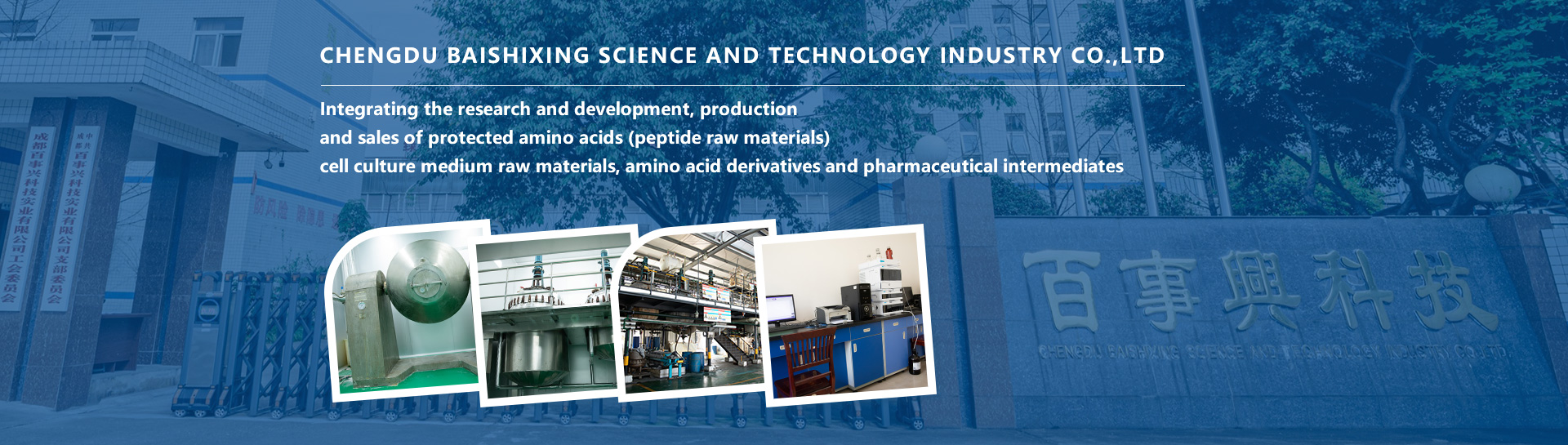
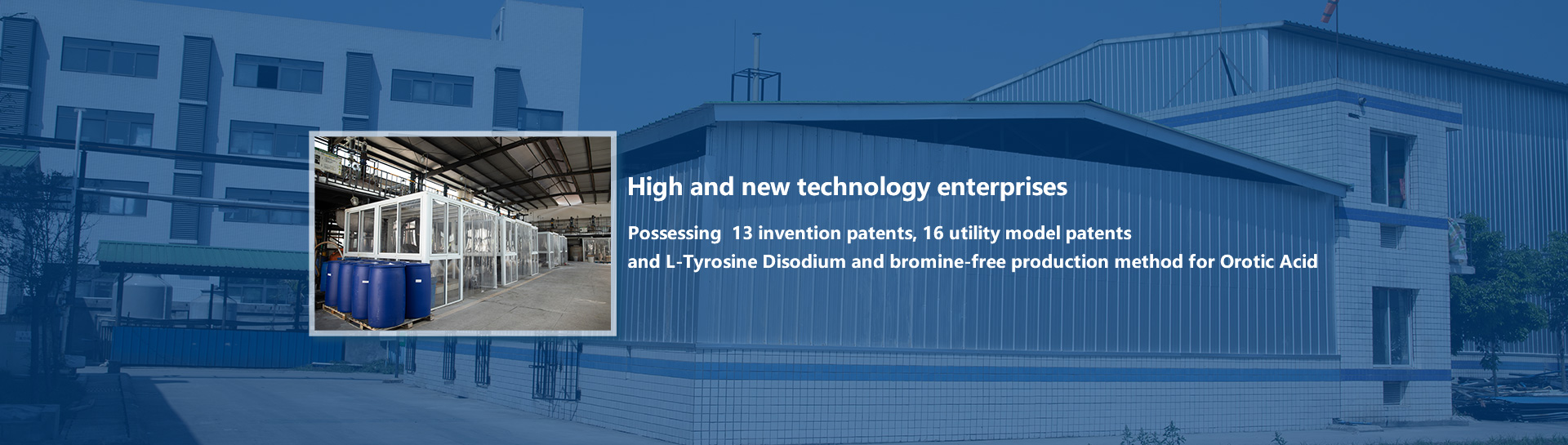
Compared with other Fmoc-glycine suppliers, this product combines a high verified purity (≥99% HPLC), consistently low racemization (<0.1%), and complete documentation for each batch. The packaging range spans from 25 g research units to 1 kg production lots, which accommodates both early-stage discovery and commercial manufacturing. The pricing model offers transparent volume discounts, making it suitable for projects where cost per gram and quality reproducibility are equally important. For researchers and production teams that require a dependable supply chain with COA support, baishixing serves as a practical source for Fmoc-Gly-OH, and direct inquiry provides the most accurate supply price for specific quantities and purity grades.