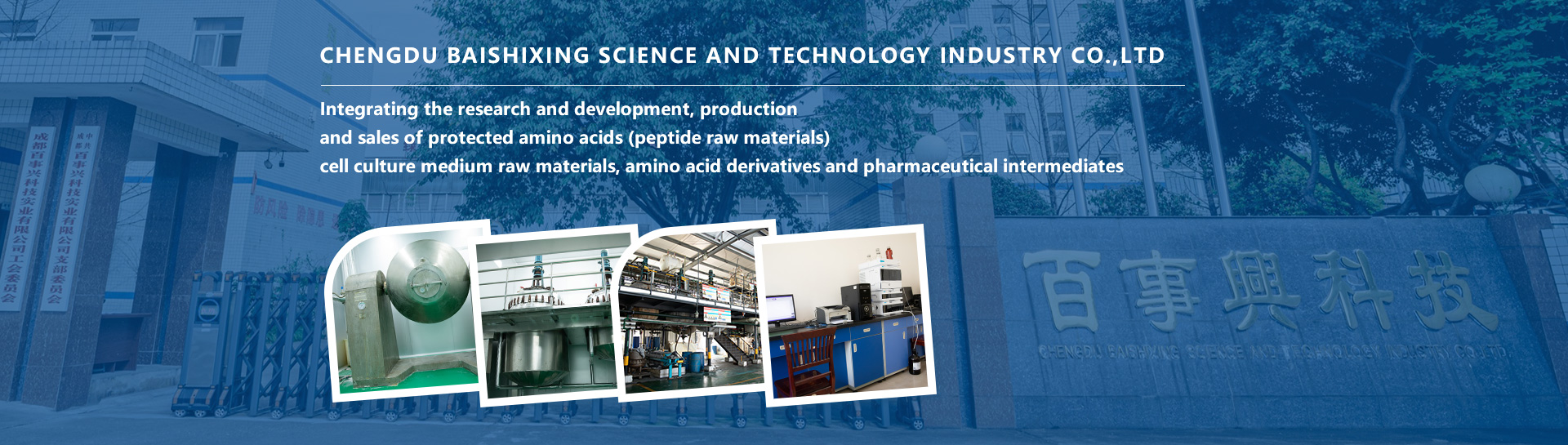
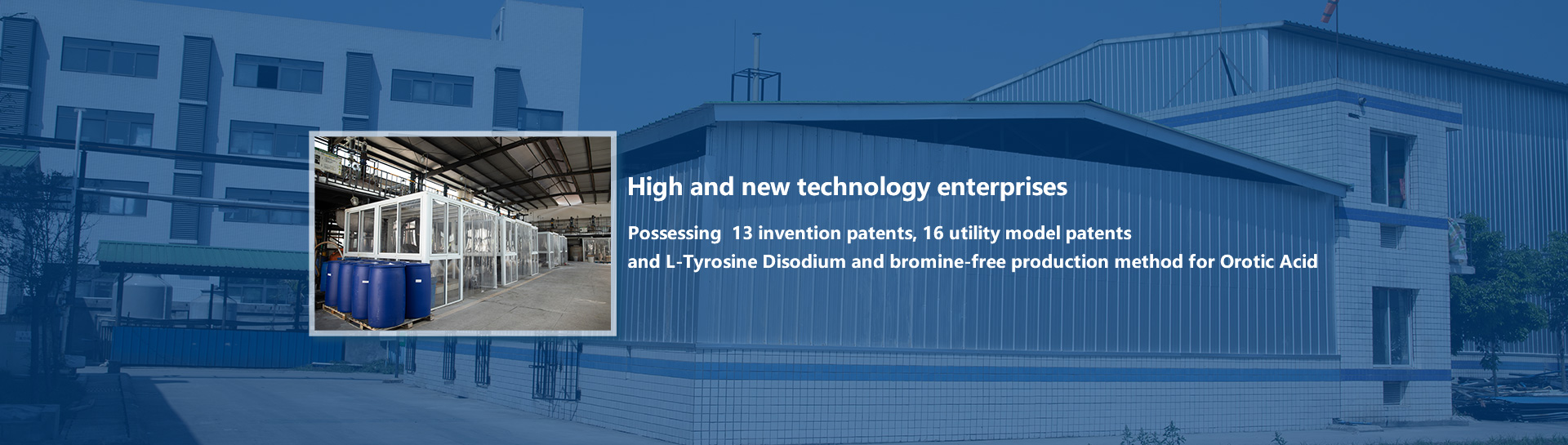
Fmoc-Gly-OH (CAS 29022-11-3) is a protected glycine derivative used primarily in solid-phase peptide synthesis (SPPS), designed for research and production environments that require consistent coupling efficiency and low racemization levels.
| Parameter | Value | Supplementary Notes |
|---|---|---|
| Product Name | Fmoc-Gly-OH (Fmoc-glycine) | Also known as 9-fluorenylmethyloxycarbonyl-glycine |
| CAS Number | 29022-11-3 | N/A |
| Molecular Formula | C₁₇H₁₅NO₄ | N/A |
| Molecular Weight | 297.31 g/mol | Calculated |
| Appearance | White crystalline powder | Matches reference standard under normal light |
| Assay (HPLC) | ≥99.0% | Area normalization method |
| Single Impurity (HPLC) | ≤0.1% | Excluding solvents and inorganic salts |
| Loss on Drying | ≤0.5% | Dried at 105°C for 2 hours |
| Free Glycine Content | ≤0.1% | Determined by TLC or amino acid analysis |
| Solubility | Soluble in DMF, DMSO, THF | Slightly soluble in DCM; insoluble in water |
| Storage Conditions | 2–8°C, airtight, protected from light | Stable for 24 months under these conditions |
| Packaging Options | 100 g, 500 g, 1 kg, 5 kg | Custom packaging available for bulk orders |
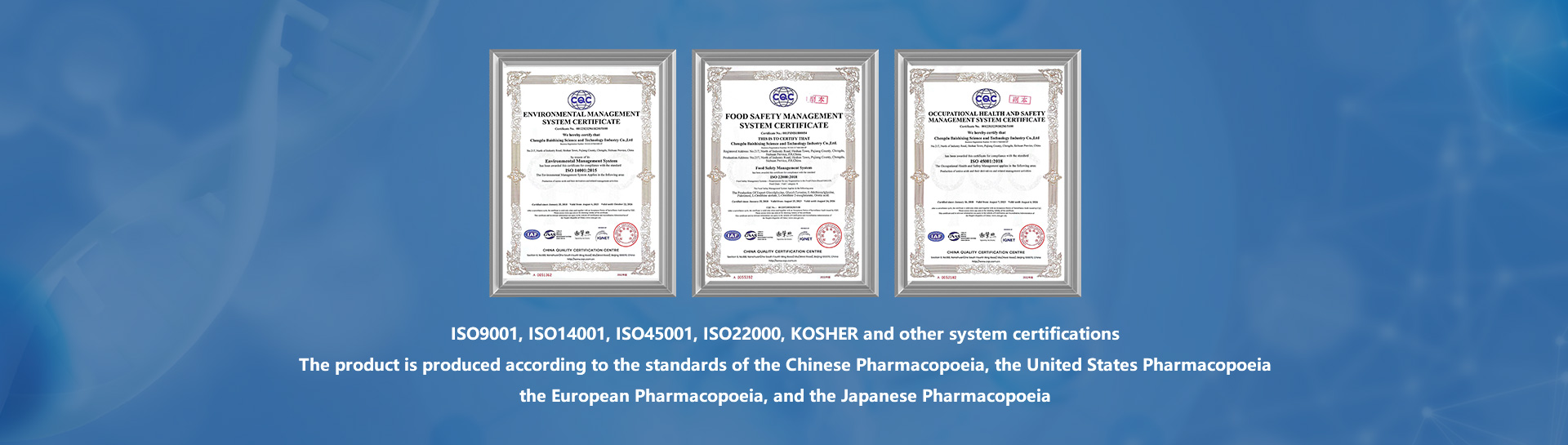
| Regulatory Compliance | USP/EP grade reference available | Certificate of Analysis issued with each batch |
What is the CAS number of Fmoc-Gly-OH?
The CAS number is 29022-11-3. This is the standard registry identifier used for procurement, shipping, and regulatory documentation.
How do I store Fmoc-Gly-OH for long-term stability?
Store at 2–8°C in an airtight container away from light. Under these conditions, the product remains stable for 24 months without significant loss of assay value.
Is Fmoc-Gly-OH soluble in dichloromethane (DCM)?
Fmoc-Gly-OH is slightly soluble in DCM. For SPPS, it is more commonly dissolved in DMF or DMSO at concentrations of 0.2–0.5 M.
What is the melting point of Fmoc-Gly-OH?
The melting point is 175–178°C. This value can be used as a quick identity check, but HPLC assay is the primary quality indicator.
Can I use Fmoc-Gly-OH for solid-phase peptide synthesis without additional recrystallization?
Yes, if the HPLC purity is ≥99.0% and free glycine is ≤0.1%, it can be used directly in standard Fmoc SPPS protocols without further purification.
What is the difference between Fmoc-Gly-OH and Boc-Gly-OH?
Fmoc-Gly-OH uses a base-labile 9-fluorenylmethyloxycarbonyl group, while Boc-Gly-OH uses an acid-labile tert-butyloxycarbonyl group. The Fmoc version is more common in modern SPPS due to milder deprotection conditions.
Does Baishixing provide a Certificate of Analysis with each batch?
Yes, every batch ships with a Certificate of Analysis that includes HPLC chromatogram, water content, and residual solvent data. Bulk orders also include batch-specific stability summaries.
Fmoc-Gly-OH from Baishixing is positioned for users who prioritize batch-to-batch consistency and low impurity contribution to their peptide synthesis workflow. Compared to standard commercial grades, its narrow impurity profile and controlled particle distribution offer measurable advantages in automated synthesis and large-scale coupling steps. For laboratories or production lines that require a reliable glycine building block with complete documentation, this product provides a balanced combination of purity, physical handling, and supply-chain stability. Suitable for both research-grade applications and pre-GMP process development, it is not positioned as a low-cost raw material but as a quality-controlled intermediate that simplifies downstream purification and reduces repeat runs.