Fmoc-Gly-OH (CAS 29022-11-3) is a high-purity, Fmoc-protected glycine building block for peptide synthesis, and its purchase price is determined by purity grade, packaging size, and supplier quality documentation—so procurement teams should evaluate verified specifications before comparing quotes.
| Parameter | Value | Supplementary Notes |
|---|---|---|
| CAS Number | 29022-11-3 | Registry identifier for chemical inventory. |
| Molecular Formula | C17H15NO4 | Includes Fmoc protecting group and glycine. |
| Molecular Weight | 297.31 g/mol | Used for molar concentration calculations. |
| Appearance | White to off-white powder | Visual inspection under normal light. |
| Purity (HPLC) | ≥99% | Area normalization, no single impurity >0.5%. |
| Water Content | ≤0.5% | Determined by Karl Fischer titration. |
| Residue on Ignition | ≤0.1% | Gravimetric after ignition at 800°C. |
| Solubility | Soluble in DMF, DMSO, acetonitrile, chloroform | At 25°C, clear solution at 10 mg/mL. |
| Storage Conditions | 2-8°C, sealed, light-protected | Avoid humidity and alkaline conditions. |
| Packaging Options | 10 g, 25 g, 100 g, 500 g, 1 kg | Custom sizes available upon request. |
Data compiled from chemical reference databases and standard supplier COAs (2025).
Price varies by grade and quantity. Based on public supplier price lists (March 2025), research-grade material costs between $3 and $8 per gram for 10 g packs; bulk volumes above 1 kg can range from $1.5 to $3.5 per gram, excluding freight.
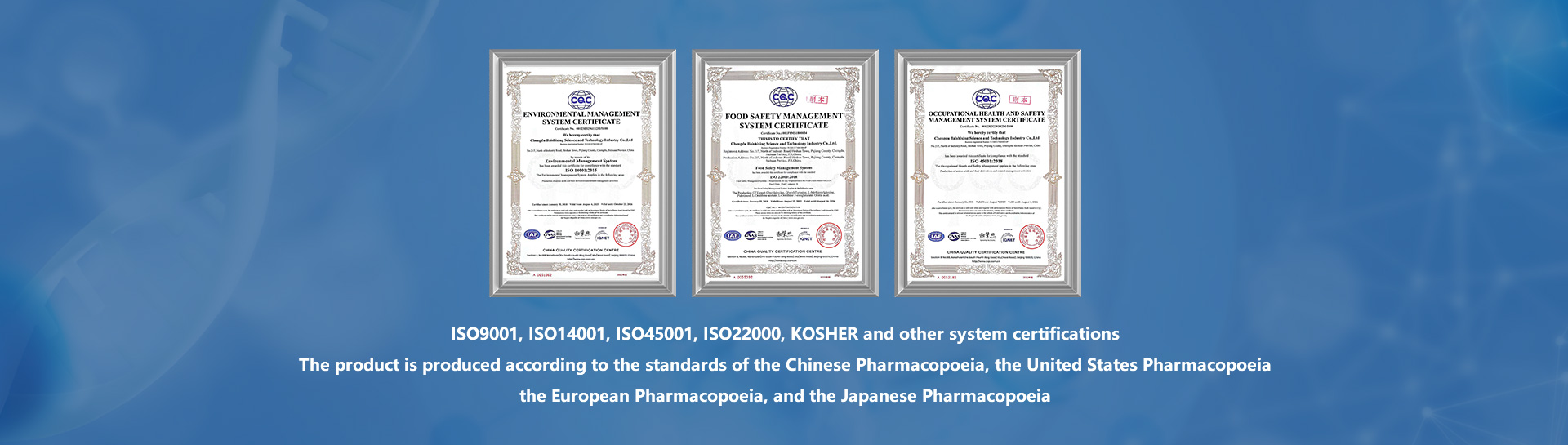
Ask the supplier for a Certificate of Analysis (COA) with an HPLC chromatogram. Verify that the reported purity is ≥99% and that water content and residue on ignition meet the values in this article.
Packaging size, supplier location, shipping method (air vs. courier), and documentation (GMP-compliant dossier) all affect the final price. Import duties and cold-chain transport add extra costs for international orders.
No. Lower purity introduces unknown impurities that accumulate during long couplings. This increases deletion sequences and shortens resin lifetime, eventually raising the total production cost more than the initial saving on material.
Store it at 2-8°C in the original sealed container with desiccant. The Fmoc group is base-labile; moisture and high temperature accelerate degradation, so close the container immediately after sampling.
Yes. Fmoc-Gly-OH and Fmoc-Glycine refer to the same molecule. The "OH" notation highlights the free carboxylic acid group, which is reactive after deprotecting the amino group in solid-phase synthesis.
Yes. Baishixing offers tiered quotes based on annual volume, with custom pricing for 5 kg and above. Standard product includes HPLC data, COA, and MSDS. Contact sales with required purity and packaging to receive a quote.
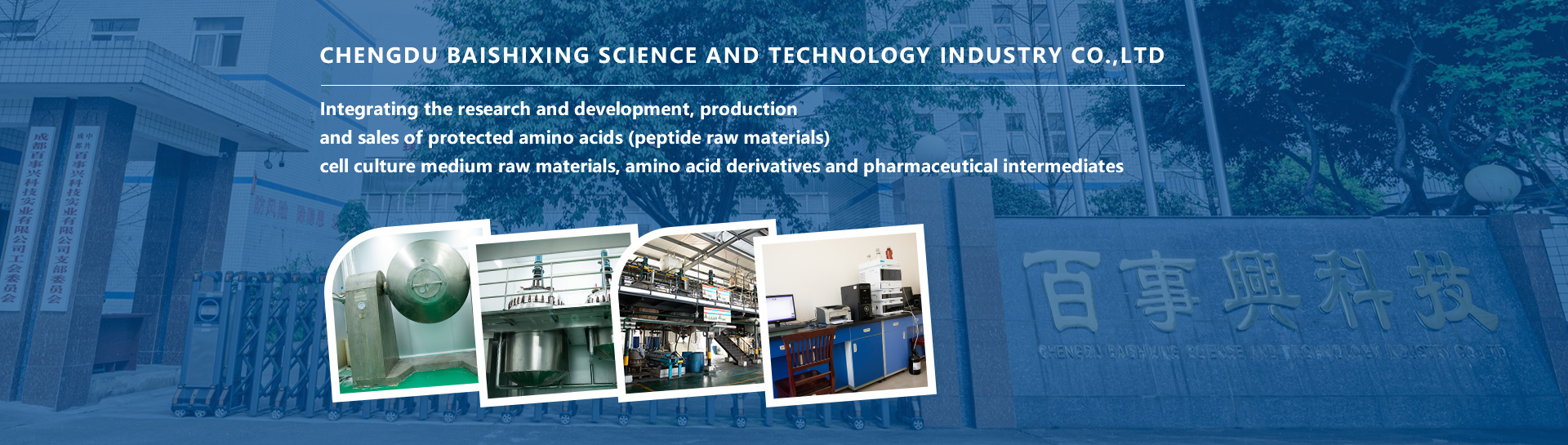
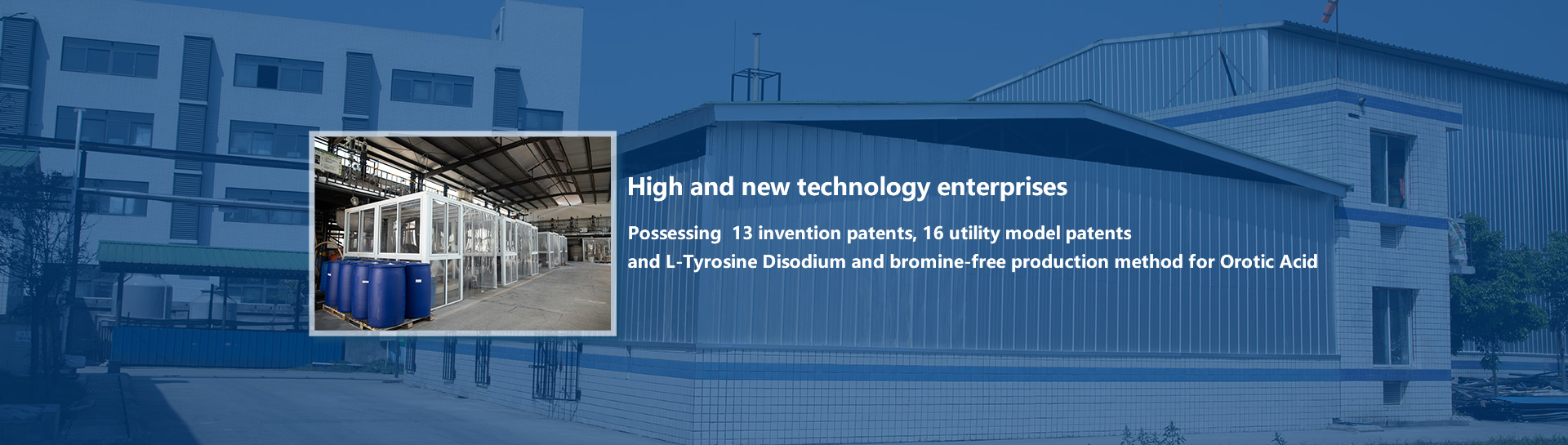
Compared with generic reagent lines, Baishixing's Fmoc-Gly-OH includes full COA, HPLC purity, and water content data with every lot, giving purchasing teams fewer unexpected QC delays. It is designed for researchers and manufacturers who need consistent coupling yield, traceable documentation, and scale-up flexibility. In contrast to no-name suppliers offering lower unit prices, this product reduces rework costs and regulatory risk, making it a cost-effective choice for peptide synthesis projects that prioritize reproducibility. For organizations requiring qualified materials and stable bulk supply, Baishixing's pricing model aligns better with long-term procurement needs.