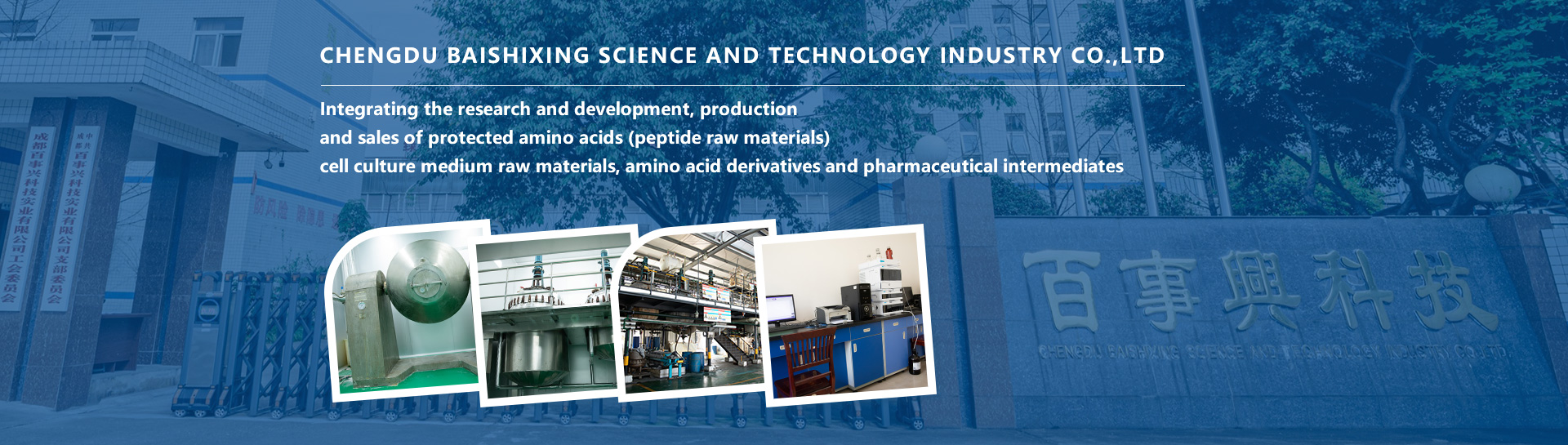
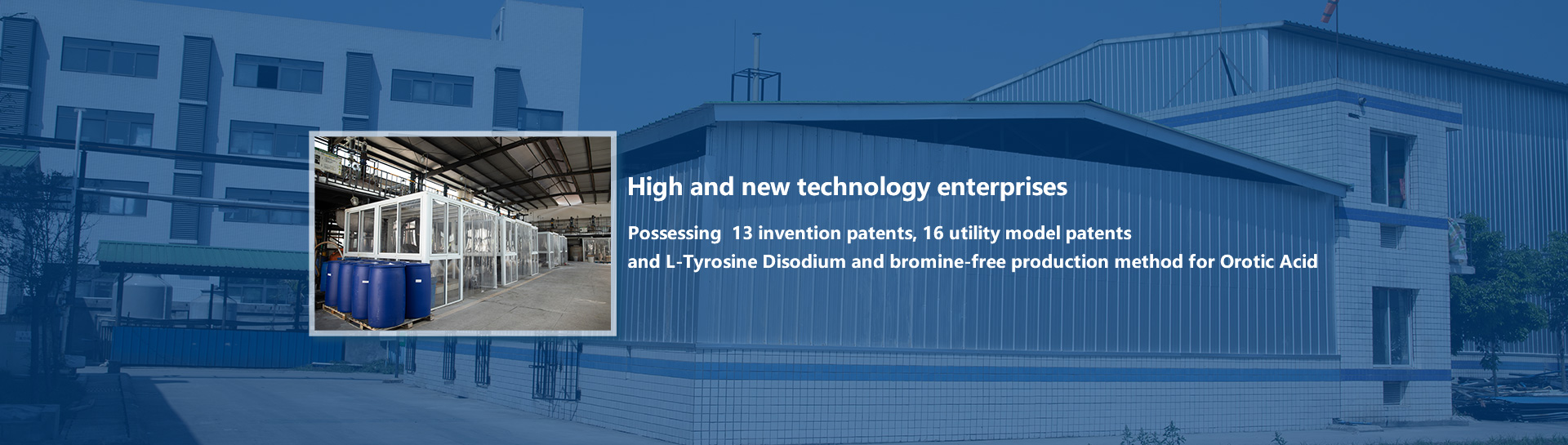
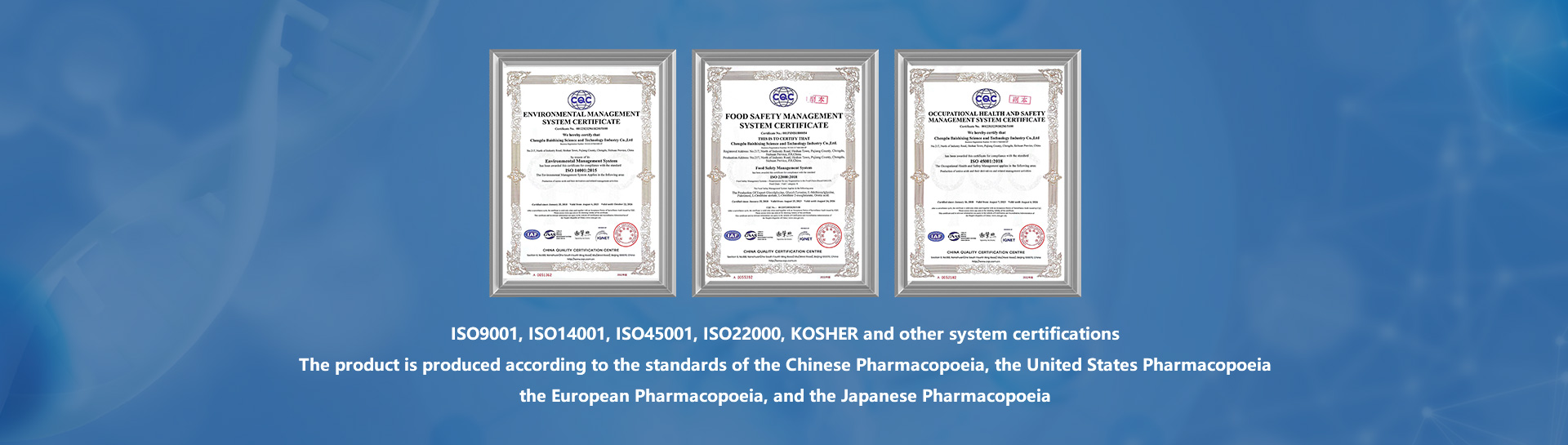
Fmoc-Gly-OH (N-Fmoc-glycine, CAS 29022-11-3) is a high-purity amino acid derivative used as a key building block in solid-phase peptide synthesis, providing researchers and pharmaceutical manufacturers with a reliable reagent for coupling glycine residues with minimal side reactions and reproducible coupling efficiency.
| Parameter | Value | Supplementary Notes |
|---|---|---|
| Product Name | Fmoc-Gly-OH | IUPAC: (9H-fluoren-9-yl)methyl (glycyl)carbamate |
| CAS Number | 29022-11-3 | Unique identifier for regulatory and ordering purposes |
| Molecular Formula | C17H15NO4 | Includes the fluorenylmethyloxycarbonyl protecting group |
| Molecular Weight | 297.31 g/mol | Calculated from the molecular formula |
| Purity (HPLC) | ≥99.0% | Determined by high-performance liquid chromatography |
| Appearance | White to off-white crystalline powder | No visible particulates or discoloration |
| Melting Point | 172–176 °C | Characteristic range for Fmoc-Gly-OH |
| Free Glycine | ≤0.3% | Determined by HPLC; indicates residual unprotected glycine |
| Water Content | ≤0.5% | Measured by Karl Fischer titration |
| Solubility | Soluble in DMF, DCM, THF, NMP (≥0.1 g/mL) | Clear solution without precipitate |
| Storage Conditions | 2–8 °C, protected from light and moisture | Keep container tightly sealed after opening |
| Shelf Life | 24 months from date of manufacture | When stored under recommended conditions |
Q1: What is Fmoc-Gly-OH used for?
Fmoc-Gly-OH is an amino acid building block in solid-phase peptide synthesis. It introduces glycine residues while the Fmoc group protects the amine, allowing controlled chain assembly. This reagent is essential for producing both short peptides and larger peptide-based drugs, making it a staple in peptide chemistry.
Q2: How should Fmoc-Gly-OH be stored?
Store Fmoc-Gly-OH in a tightly sealed container at 2–8 °C, protected from direct light and humidity. Avoid repeated opening of the container to minimize moisture absorption. Under these conditions, the powder remains stable for up to 24 months without significant degradation. Always check the COA for specific storage recommendations.
Q3: What purity can I expect from Fmoc-Gly-OH?
The standard product purity is ≥99% as determined by HPLC. In addition, free glycine is controlled to ≤0.3%, and water content to ≤0.5%. These limits ensure minimal interference during coupling reactions, resulting in cleaner peptide products. Each batch’s COA confirms the measured values.
Q4: Can Fmoc-Gly-OH be used in automated peptide synthesizers?
Yes, Fmoc-Gly-OH is fully compatible with automated solid-phase synthesizers. Its high purity, consistent particle size, and good solubility in common solvents like DMF make it suitable for both small-scale research instruments and production-scale systems. This versatility enables seamless transfer from R&D to manufacturing.
Q5: What is the difference between Fmoc-Gly-OH and Boc-Gly-OH?
Fmoc-Gly-OH uses a base-labile fluorenylmethoxycarbonyl (Fmoc) protecting group, which is removed with a secondary amine such as piperidine. Boc-Gly-OH uses an acid-labile tert-butyloxycarbonyl (Boc) group, requiring strong acid for deprotection. The choice depends on the overall synthesis strategy. Both methods are widely used, but Fmoc chemistry is more common in modern SPPS.
Q6: Is Fmoc-Gly-OH suitable for large-scale production?
Yes, when supplied with the appropriate documentation, Fmoc-Gly-OH can be used in large-scale peptide manufacturing. It is essential to verify batch-specific COA values and ensure that the material meets required specifications. Many contract manufacturers use this product in multi-kilogram batches.
Q7: Which impurities are typically monitored in Fmoc-Gly-OH?
Common controlled impurities include free glycine, water, residual solvents (e.g., ethyl acetate, acetonitrile), and related Fmoc compounds. Each batch is analyzed by HPLC and Karl Fischer titration to ensure these impurities stay within the limits specified on the certificate of analysis.
Compared to standard Fmoc-Gly-OH from other suppliers, the batch-to-batch consistency and thorough analytical documentation provided by baishixing offer distinct advantages. While many vendors cite similar purity levels, baishixing’s COA includes detailed impurity profiles and solvent residue data, enabling direct integration into GMP workflows. The company also maintains dedicated inventory for large-scale orders, reducing supply chain risk for ongoing peptide synthesis projects. For research groups and manufacturers who require reliable material with full traceability, this product is a practical choice.