Fmoc-Gly-OH (CAS 29022-11-3) is an Fmoc-protected glycine derivative used as a building block in solid-phase peptide synthesis, giving pharmaceutical R&D labs and research institutions a reliable amino acid input whose per-gram cost depends primarily on purity grade, order quantity, and supplier type.
| Parameter | Value | Supplementary Notes |
|---|---|---|
| Product Name | Fmoc-Gly-OH (Fmoc-Glycine) | N-(9-Fluorenylmethoxycarbonyl)glycine |
| CAS Number | 29022-11-3 | PubChem CID: 70699816 |
| Molecular Formula | C₁₇H₁₅NO₄ | Verified by high-resolution mass spectrometry per batch |
| Molecular Weight | 297.31 g/mol | Monoisotopic mass: 297.1001 Da |
| Purity | ≥98.0% | Reverse-phase HPLC, area normalization at 220 nm |
| Appearance | White to off-white crystalline powder | Visual inspection per internal SOP; no visible contamination |
| Melting Point | 174–178°C | Differential scanning calorimetry, 10°C/min heating rate |
| Loss on Drying | ≤0.5% | Gravimetric analysis: 3 h at 60°C under vacuum |
| Solubility | ≥100 mg/mL in DMF | Clear solution at 25°C without heating |
| Residual Solvents | Within ICH Q3C limits | GC headspace analysis, lot-specific report included |
| D-Enantiomer Content | ≤0.1% | Chiral derivatization followed by GC analysis |
| Storage Condition | 2–8°C, sealed, light-protected | Do not freeze; keep desiccant inside the container |
| Shelf Life | 24 months from manufacturing date | Accelerated stability data on request |
| Packaging Options | 10 g, 25 g, 100 g, 500 g, 1 kg, 5 kg, 25 kg | Laminated aluminum bags under argon; fiber drums for bulk |
Indicative pricing from supplier quotations: 25 g packs list between $3.0 and $6.0 per gram from catalog distributors; direct manufacturers quote $1.5–$3.5 per gram at equal purity, with notable price reductions for standing orders.
Direct chemical manufacturers in China and India offer the lowest base quotes, often 20–40% below American and European catalog resellers. Include shipping, customs clearance, and minimum order quantity in the per-gram calculation.
Yes. At ≥98% purity, standard couplings proceed normally for peptides up to 30 residues. Below 98%, deletion sequences and truncation by-products become conspicuous, especially in long syntheses or when using automated synthesizers.
Packaging ranges from 10 g foil bags for laboratory use to 25 kg fiber drums for production. Intermediate sizes of 100 g and 500 g are the most frequently ordered, balancing handling convenience with volume and shipping cost efficiency.
Stocked items (≤1 kg) ship within 24–48 hours. Orders between 5 kg and 25 kg typically require 10–15 business days for synthesis, QC release, and packing, plus shipping time to destination.
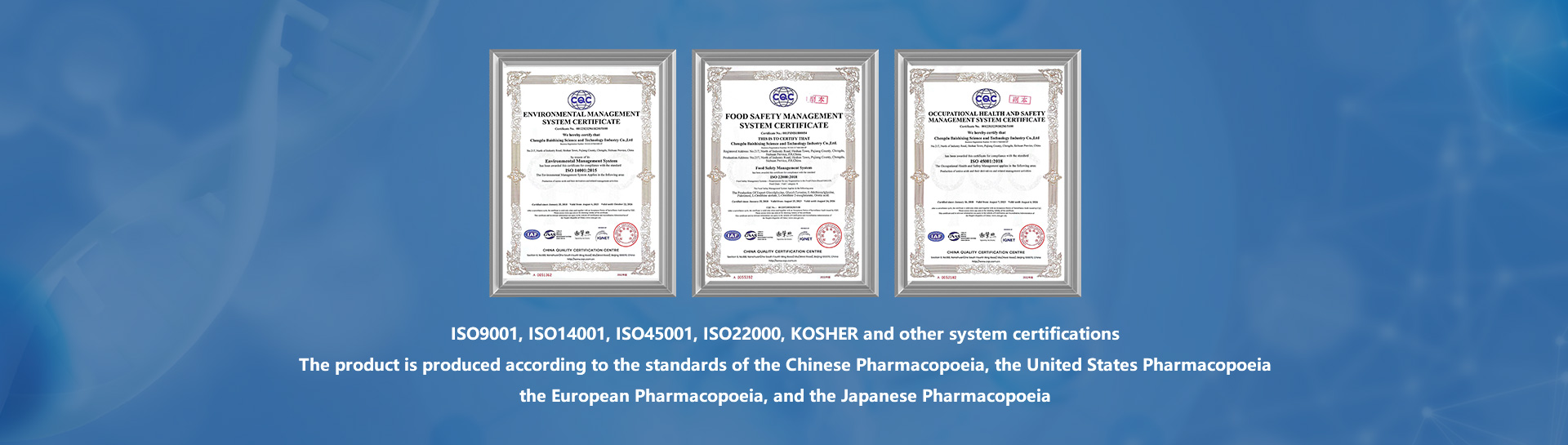
Each shipment includes a lot-specific Certificate of Analysis listing HPLC purity, melting point, loss on drying, and residual solvent results. NMR and MS spectra are available on request within 48 hours.
Short-distance shipments can tolerate ambient temperature if delivery completes within 5 days, but international freight should use insulated packaging with cold packs. Temperature data loggers are recommended and available as an optional service.
Yes, ≥99% and ≥99.5% grades are manufactured on request. The recrystallization step adds 3–5 business days and increases unit pricing by 20–50%, depending on quantity.
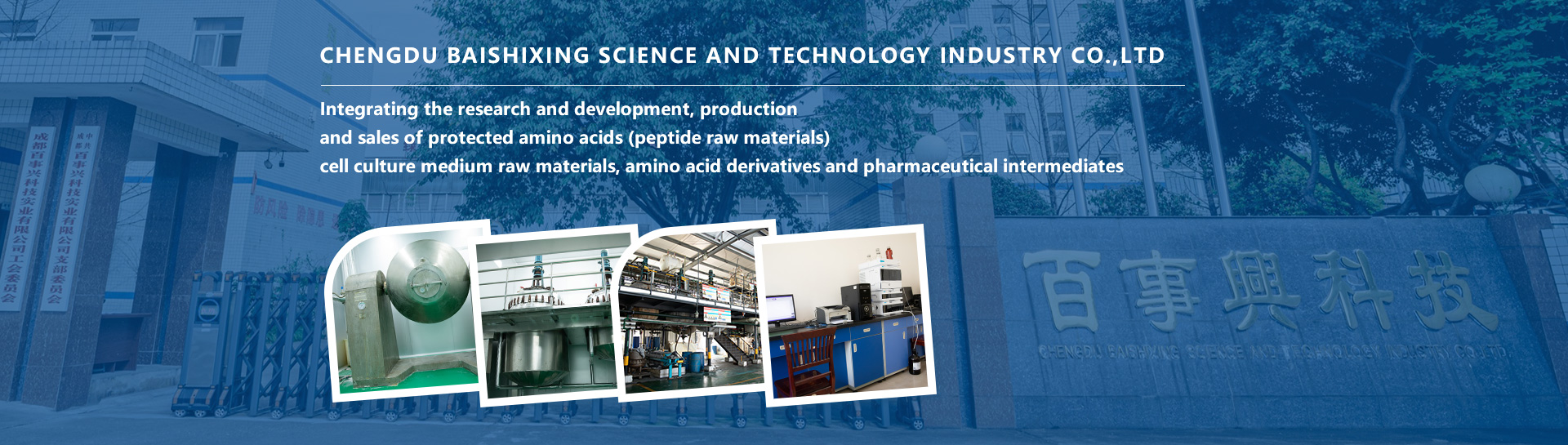
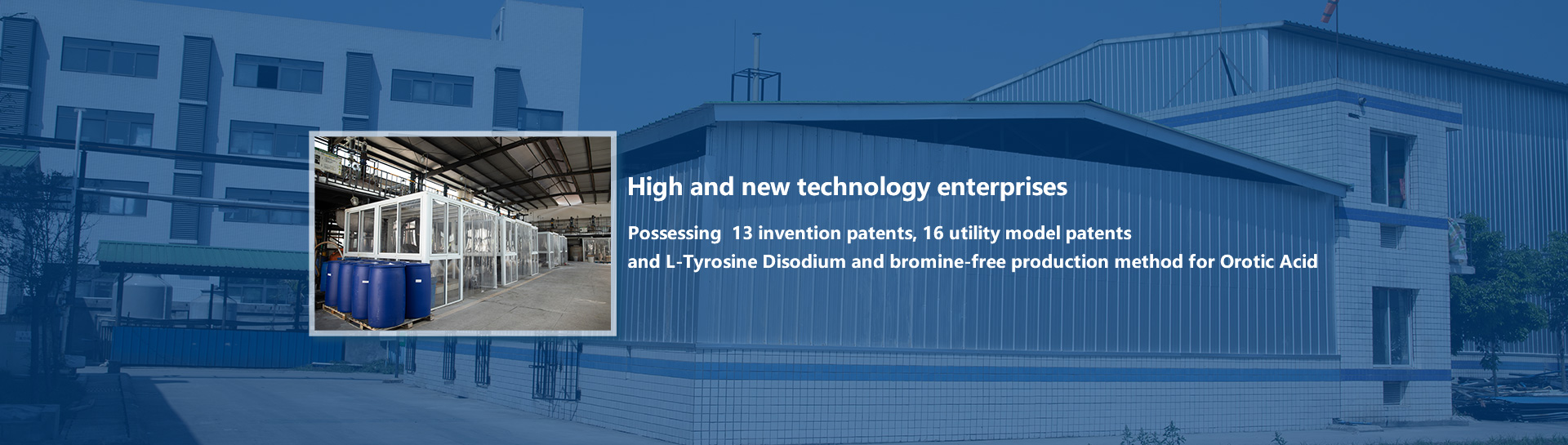
Large catalog suppliers such as MilliporeSigma and Chem-Impex list Fmoc-Gly-OH at $4.0–$8.0 per gram for research sizes, with pricing that reflects supply chain overhead rather than production cost. Low-cost marketplace listings on platforms like eBay and Alibaba frequently lack batch-level documentation, making incoming QC mandatory and risking synthesis failures that cost more in wasted reagents than the material savings. Baishixing supplies this compound directly from its production facility with batch-tested HPLC purity, complete analytical files, and volume-structured pricing that lands between these two extremes—typically $2.0–$3.5 per gram at research scale and below $2.0 at production volumes. That combination of documented quality and manufacturer-direct pricing makes particular sense for academic labs, startup biotechs, and contract manufacturers who need reproducible synthesis without absorbing the margins of multi-tier distribution.