Fmoc-Gly-OH (Fmoc-Glycine) is an Fmoc-protected glycine derivative for solid-phase peptide synthesis (SPPS), designed for peptide chemists and process developers who require a consistent, high-purity building block to reduce side reactions and improve coupling reliability.
| Parameter | Value | Additional Notes |
|---|---|---|
| Chemical Name | Fmoc-Gly-OH (Fmoc-glycine) | N-(9-Fluorenylmethoxycarbonyl)glycine |
| CAS Number | 29022-11-3 | Unique identifier used in databases and procurement |
| Molecular Formula | C17H15NO4 | Confirmed by mass spectrometry |
| Molecular Weight | 297.31 g/mol | Used for molar equivalent calculations |
| Purity (HPLC) | ≥99.0% | Determined by RP-HPLC at 210 nm, per lot COA |
| Free Amine (as glycine) | ≤0.1% | Verified by TLC / derivatization method |
| Water Content (KF) | ≤0.5% | Measured by Karl Fischer titration |
| Appearance | White to off-white crystalline powder | Visual inspection per QC protocol |
| Solubility | Freely soluble in DMF and DMSO; soluble in THF and acetonitrile | 100 mg/mL in DMF at 20 °C |
| Melting Point | 174–176 °C (dec.) | Decomposition observed at melting |
| Storage Conditions | 2–8 °C, protected from light and moisture | Stable for at least 24 months under recommended conditions |
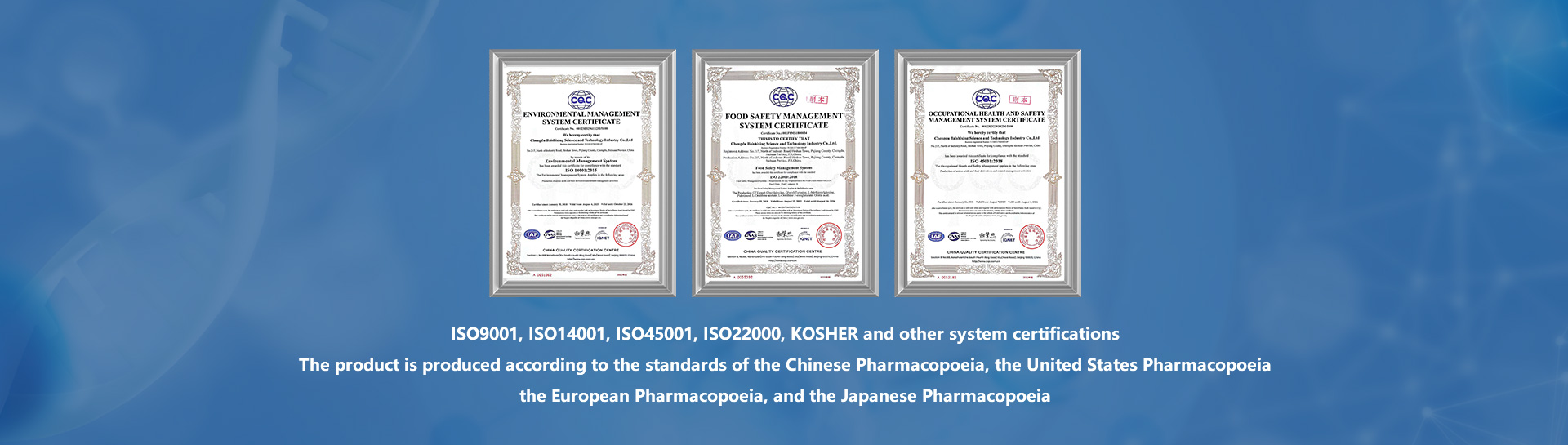
| Quality Management | ISO 9001:2015 certified production facility | Certificate available on request with COA |
1. What is the CAS number of Fmoc-Gly-OH?
The CAS number for Fmoc-Gly-OH is 29022-11-3. This unique numerical identifier is assigned to Fmoc-protected glycine and is widely used in chemical databases, safety data sheets, and procurement documents to avoid ambiguity. Always reference this CAS number when ordering.
2. What purity is available for Fmoc-Gly-OH?
Fmoc-Gly-OH is supplied with a purity of ≥99.0% as determined by HPLC. Each batch is tested and the chromatogram is included in the certificate of analysis to confirm the actual purity value, providing traceable quality data for R&D and manufacturing processes.
3. How should Fmoc-Gly-OH be stored?
Store Fmoc-Gly-OH at 2–8 °C in a tightly sealed container, protected from light and moisture. Under these conditions, the product maintains specification for at least 24 months from the date of manufacture, as verified by stability studies.
4. Is Fmoc-Gly-OH suitable for automated peptide synthesizers?
Yes. Its low water content and high solubility in DMF make it compatible with common automated SPPS protocols. It can be dissolved at 100 mg/mL in DMF without residue or gel formation, allowing precise delivery during coupling cycles on automated synthesizers.
5. What are the main impurities in Fmoc-Gly-OH?
Typical impurities include free glycine, Fmoc-Gly-Gly, and residual solvents. High-quality material limits free glycine to ≤0.1% and total related substances to under 1%, as verified by HPLC and TLC, which minimizes side reactions in peptide synthesis.
6. Does Fmoc-Gly-OH require special handling precautions?
No special hazards are reported for standard laboratory use. Handle in a well-ventilated area with standard protective gloves and safety glasses. Avoid prolonged exposure to strong acids or bases because the Fmoc group is base-labile and may be cleaved under basic conditions.
7. Can Fmoc-Gly-OH be used as a starting material for Fmoc-glycine derivatives?
Yes. The carboxylic acid group can be activated to form esters, amides, or acid chlorides for further derivatization. The Fmoc group remains stable during these transformations when conducted under mild, non-basic conditions at temperatures below 25 °C.
8. What is the molecular weight of Fmoc-Gly-OH?
The molecular weight is 297.31 g/mol. This value is confirmed from the molecular formula C17H15NO4 and is used for calculating molar equivalents in peptide coupling reactions, resin loading, and yield estimation. Always use the exact value when preparing stock solutions.
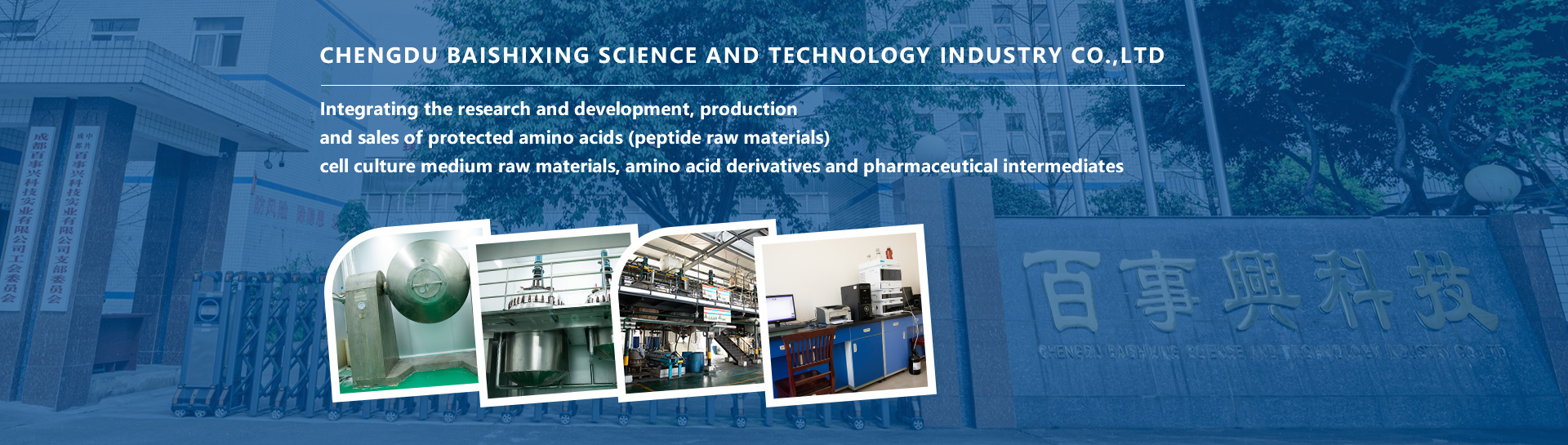
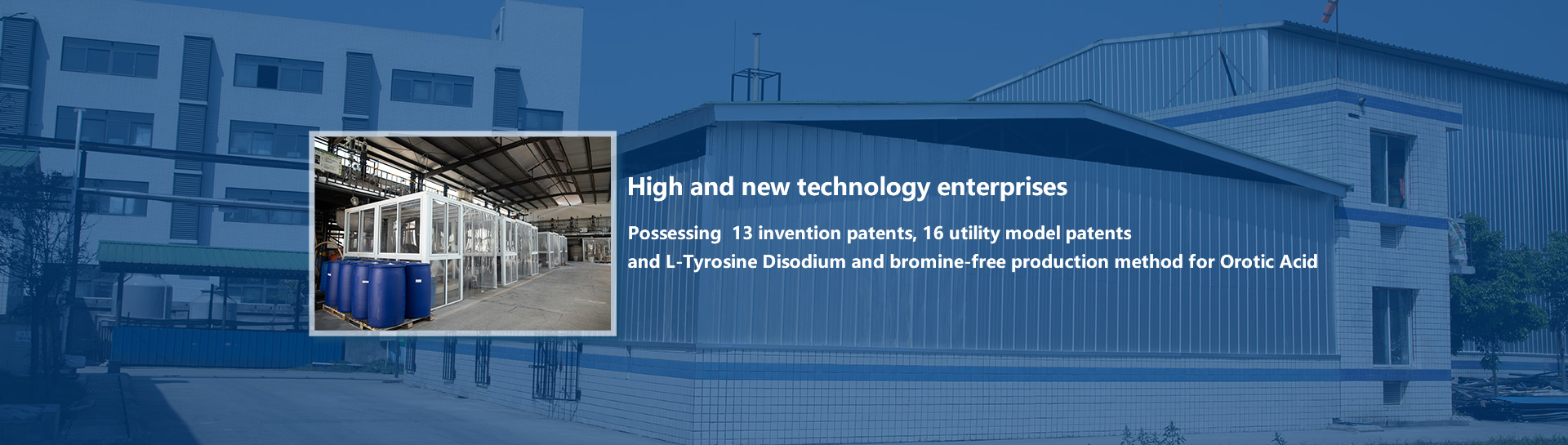
Fmoc-Gly-OH is a standard reagent, but its utility depends on the consistency of key impurities. The baishixing manufacturing process for this product specifically controls free amine and water contents to tight thresholds, while each lot is released with a COA that includes HPLC, Karl Fischer, and residual-solvent data. This approach distinguishes it from generic laboratory-grade amino acids that may vary batch to batch and cause unpredictable peptide synthesis results. It is best suited for researchers and production teams who require documented quality, process reproducibility, and a supply source that can scale from milligrams to metric tons.