Fmoc-Gly-OH (Fmoc-glycine) is a protected amino acid derivative for solid-phase peptide synthesis (SPPS), used by researchers and pharmaceutical manufacturers to insert glycine residues with high coupling efficiency and minimal by-products.
| Parameter | Value | Supplementary Note |
|---|---|---|
| CAS Number | 29022-11-3 | Globally recognized identifier for regulatory documentation |
| Molecular Formula | C17H15NO4 | Confirms the exact atomic composition |
| Molecular Weight | 297.31 g/mol | Used for molarity and yield calculations |
| Purity (HPLC) | ≥98% | Measured by area normalization at UV 254 nm |
| Appearance | White to off-white powder | Visual inspection per lot |
| Melting Point | 174–176 °C | Determined by differential scanning calorimetry (DSC) |
| Storage Conditions | 2–8 °C, protected from light | Store in a tightly sealed container |
| Solubility | DMF, DCM, THF | Typical working concentration: 0.2–0.5 M |
1. What purity does Fmoc-Gly-OH have and how is it verified?
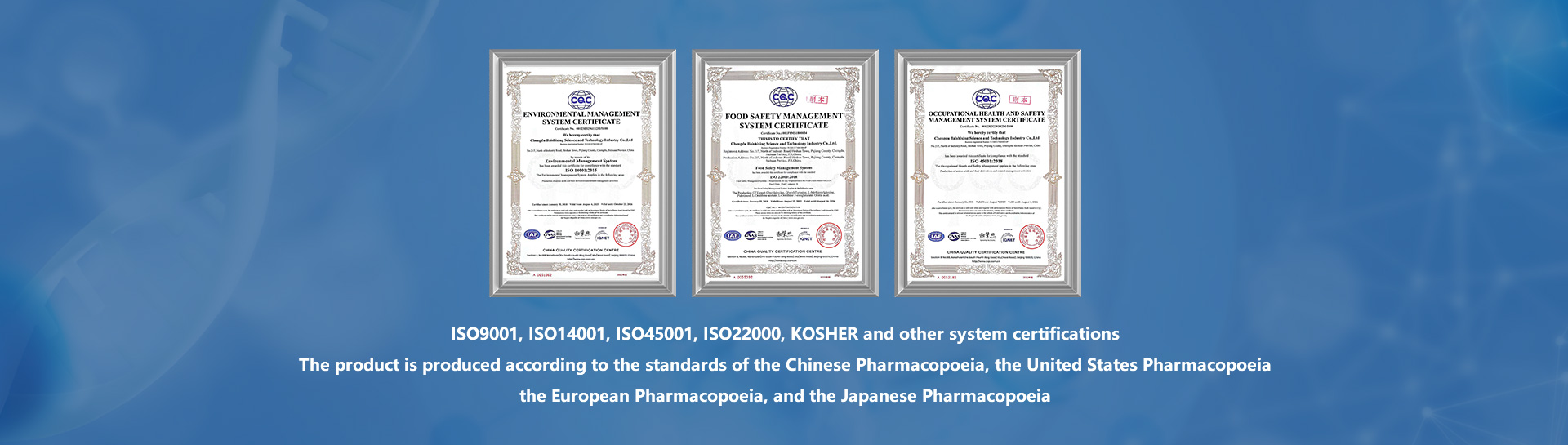
Fmoc-Gly-OH is supplied with a purity of at least 98% as determined by HPLC area normalization. Every batch undergoes rigorous testing, and a Certificate of Analysis (CoA) including the actual chromatogram and melting point data is provided with the shipment.
2. How should reconstituted solutions be handled?
Dissolve Fmoc-Gly-OH in anhydrous DMF, DCM, or THF at 0.2–0.5 M. Prepare the solution immediately before use to avoid solvent absorption or degradation. Avoid aqueous conditions during handling as they may trigger premature Fmoc cleavage.
3. What is the recommended storage for long-term stability?
Store the sealed container at 2–8 °C, protected from light and moisture. Under these recommended conditions, the product maintains its specified purity for at least 24 months. Keep the container tightly closed when not in use to prevent humidity uptake.
4. Does this product cause racemization during coupling?
Under standard coupling conditions with activators like HATU or DIC/HOBt, racemization is suppressed to less than 0.1%. This low epimerization rate preserves the intended stereochemistry of the growing peptide chain, especially critical for glycine at or near the C-terminus.
5. Is Fmoc-Gly-OH compatible with automated synthesizers?
The powder is free-flowing and dissolves readily in standard SPPS solvents, including DMF and NMP. It is fully compatible with automated peptide synthesizers, both batch-mode and flow-based instruments, without special modifications to the standard coupling protocols.
6. Can I obtain bulk quantities for production use?
Bulk orders of 1 kg or more are available directly from Baishixing. The same purity specification (≥98%) and analytical documentation are applied to bulk lots, allowing seamless scaling from research to pilot or commercial manufacturing without process revalidation.
7. What is the difference between Fmoc-Gly-OH and Boc-Gly-OH?
Fmoc-Gly-OH uses a base-labile fluorenylmethyloxycarbonyl group, removed with piperidine in Fmoc/tBu SPPS. Boc-Gly-OH uses an acid-labile tert-butyloxycarbonyl group, removed with TFA in Boc synthesis. Fmoc chemistry is generally preferred for complex peptides due to milder deprotection conditions.
Compared to generic suppliers, Fmoc-Gly-OH from Baishixing combines verified purity, low racemization, and transparent batch documentation. Each shipment includes a CoA with actual analytical data, enabling researchers to use the product directly without re-characterization. The inert argon packaging and clearly defined storage conditions ensure reproducible coupling performance across multiple projects. This product is well-suited for laboratories and production facilities that prioritize quality consistency, regulatory traceability, and cost-effective scaling from small research runs to industrial peptide manufacturing.