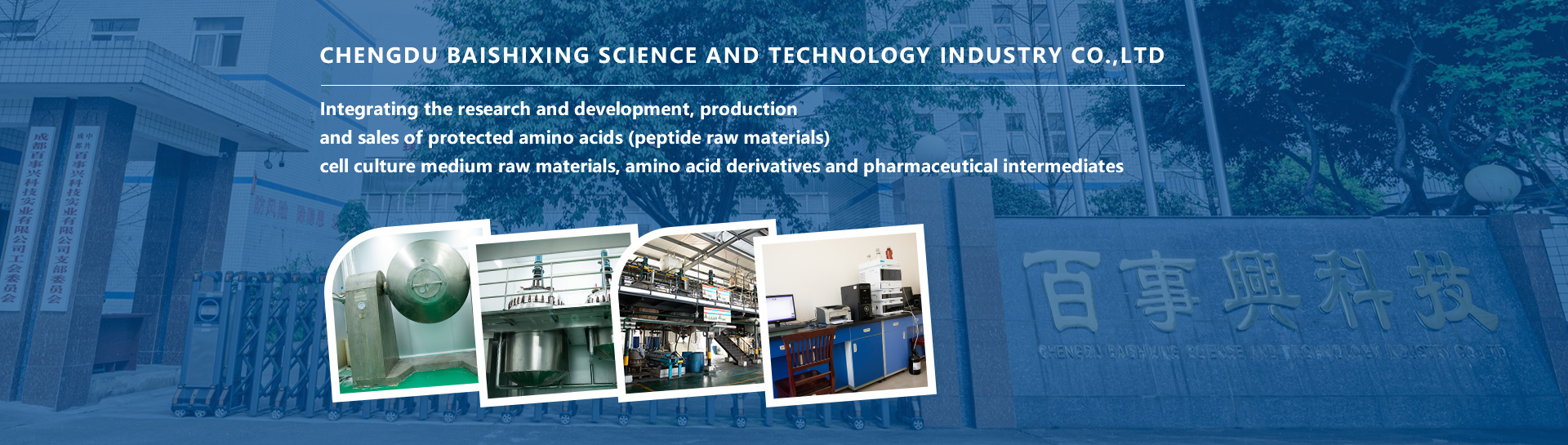
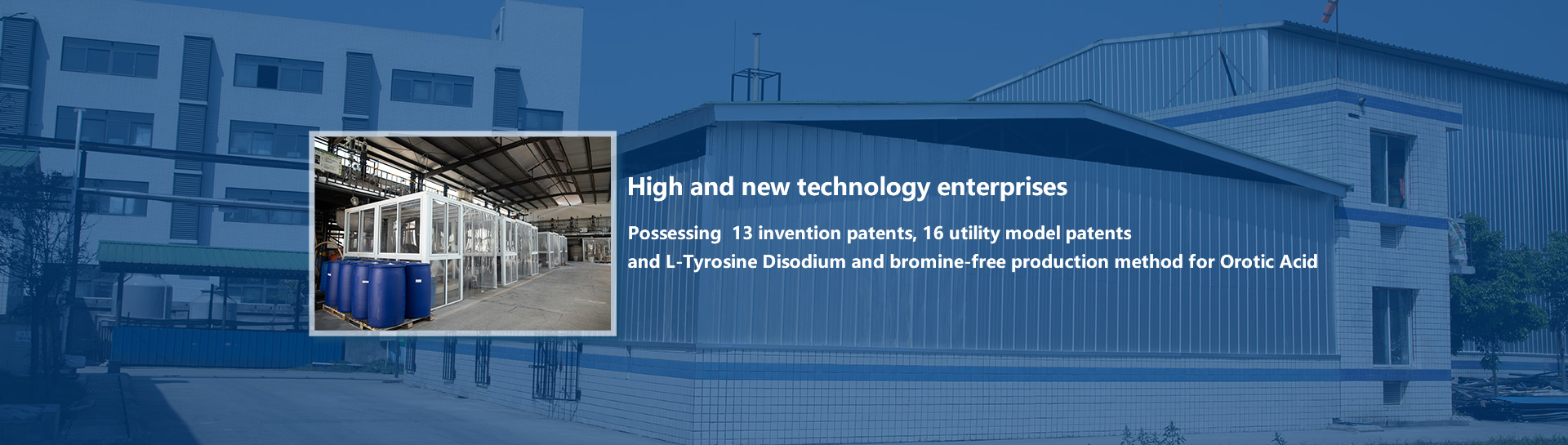
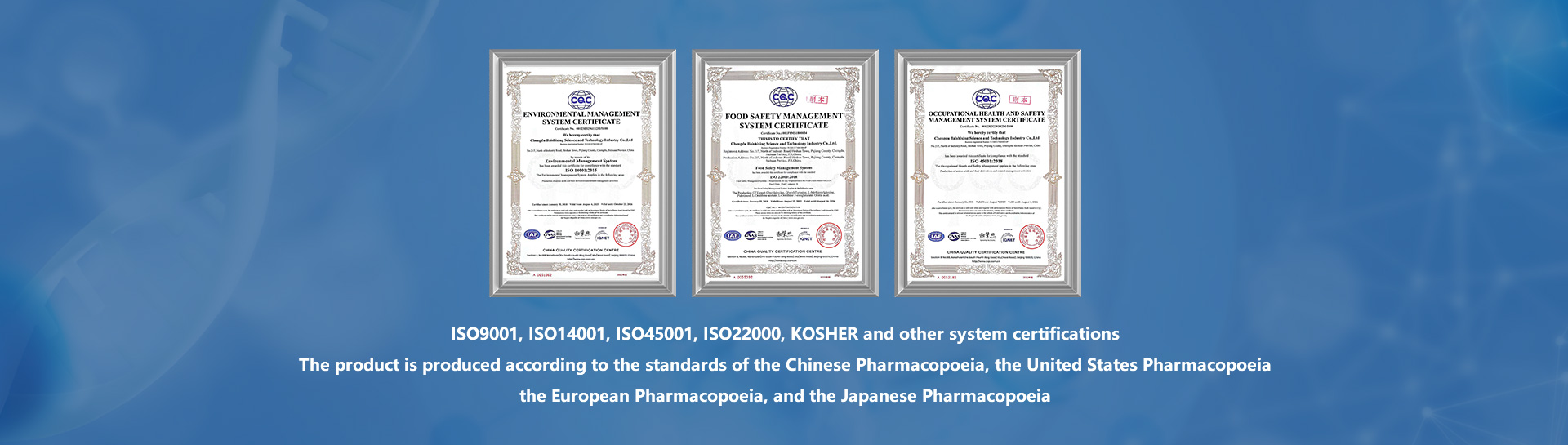
Fmoc-Gly-OH (Fmoc-glycine, CAS 29022-11-3) is a pharmaceutical-grade amino acid derivative used in solid-phase peptide synthesis (SPPS), designed for researchers and manufacturers who need a consistent, high-purity glycine building block with reliable supply and clear cost efficiency.
| Parameter | Value | Supplementary Notes |
|---|---|---|
| Product Name | Fmoc-Gly-OH | Fmoc-glycine, also known as N-(9-Fluorenylmethoxycarbonyl)glycine |
| CAS Number | 29022-11-3 | Standard registry number |
| Molecular Formula | C₁₇H₁₅NO₄ | — |
| Molecular Weight | 297.31 g/mol | Calculated |
| Appearance | White to off-white crystalline powder | Visual inspection |
| Purity (HPLC) | ≥99.0% | Area normalization method |
| Melting Point | 174–178 °C | Differential scanning calorimetry |
| Loss on Drying | ≤0.5% | Karl Fischer titration |
| Heavy Metals | ≤20 ppm | ICP-MS analysis |
| Residue on Ignition | ≤0.1% | Muffle furnace method |
| Solubility | Soluble in DMF, DMSO, THF; sparingly soluble in DCM | Tested at 25 °C |
| Storage Condition | 2–8 °C, dry, protected from light | Unopened, valid for 24 months |
| Packaging | 25 g, 100 g, 500 g, 1 kg | Custom sizes available |
What is the purchase price of Fmoc-Gly-OH?
The price depends on quantity, purity, and packaging. For reference, research-grade Fmoc-Gly-OH from Chinese manufacturers typically ranges from $5 to $20 per gram for 25 g packs; bulk orders (≥1 kg) can lower unit cost significantly. Contact Baishixing for a current quotation.
Is Fmoc-Gly-OH stable at room temperature?
Short-term handling at room temperature is fine, but long-term storage should be at 2–8 °C in a tightly sealed container. Exposure to moisture or heat can cause deprotection or degradation.
What is the difference between Fmoc-Gly-OH and Boc-Gly-OH?
Fmoc-Gly-OH uses a base-labile Fmoc group (removed by piperidine), while Boc-Gly-OH uses an acid-labile Boc group (removed by TFA). Fmoc chemistry is more common in modern SPPS because it allows milder deprotection conditions.
Can I use Fmoc-Gly-OH for solution-phase synthesis?
Yes. It can be coupled in solution using standard carbodiimide reagents (DCC, EDC) or active esters, but solubility is lower than in solid-phase conditions. DMF or DMSO is recommended.
How do I verify the identity of the received Fmoc-Gly-OH?
Check the CoA for HPLC retention time, mass spectrum (ESI-MS) with [M+H]⁺ at 298.3 m/z, and matching IR spectrum. A simple melting point test (174–178 °C) also confirms identity.
Does Baishixing provide GMP documentation for this product?
We offer a full CoA and batch traceability. For GMP-grade projects, additional validation documents can be provided under NDA. Please request during inquiry.
What is the lead time for large orders?
Stocked quantities (100 g–1 kg) ship within 3–5 business days. Larger quantities (5 kg or more) require lead times of 15–20 days because of re-testing and packaging steps.
Compared to common suppliers of Fmoc-Gly-OH, Baishixing focuses on minimizing batch variation through double HPLC testing and ICP-MS metal screening — a level of control usually seen only in dedicated peptide raw material producers. While many competitors offer similar base purity values (98–99%), the consistent racemization data and trace impurity profiles make this product suitable for advanced SPPS processes that demand low deletion peptides. If you are a peptide chemist who values reproducibility, complete quality data, and a supply chain that responds quickly to both small-scale and bulk inquiries, this Fmoc-Gly-OH is a practical choice. For routine exploratory synthesis where price is the only factor, lower-cost alternatives exist, but they often lack the batch-level documentation required for scalable production.