
Magnesium orotate (CAS 34717-03-8) is a high-value chelated organic magnesium compound formed by magnesium ions and orotic acid, distinguished from ordinary inorganic magnesium salts by its unique cell-penetrating transport mechanism, targeted myocardial enrichment and mild gastrointestinal tolerance. In 2026, the global magnesium orotate market maintains steady growth with clear tiered segmentation by purity, concentrated regional production layout and differentiated downstream demand structure. Though it remains a niche premium raw material compared with mass-market magnesium citrate and magnesium oxide, its irreplaceable advantages in cardiovascular care, sports recovery and clinical nutrition continuously expand market space. This paper systematically sorts out the current supply-demand landscape, competitive pattern, core restricting factors and long-term industrial evolution trends without data tables.
1. Current Global Market Situation of Magnesium Orotate in 2026
(1) Overall Market Scale and Growth Trajectory
The global magnesium orotate market reached approximately USD 312 million in 2025, and the industry compound annual growth rate stays at 7.2% from 2026 to 2034, with market value expected to exceed USD 580 million by 2034. Total global annual output stands at roughly 1,850 tons in 2026, and production capacity is projected to climb to 3,200 tons by 2030, driven by rising demand for premium nutritional raw materials and pharmaceutical intermediates. Unlike low-cost inorganic magnesium products with saturated low-end markets, magnesium orotate relies on clinical evidence and high bioavailability to maintain sustained incremental demand, free from severe overcapacity and vicious price wars that plague mainstream magnesium varieties.
(2) Supply Pattern: Concentrated Production and Tiered Manufacturer Competition
Europe holds the dominant position in high-purity magnesium orotate supply, accounting for about 52% of global total capacity, with Germany as the core production base hosting over half of European output. Multinational fine chemical enterprises such as Merck KGaA and European pharmaceutical raw material manufacturers own patented low-impurity synthesis processes and complete GMP production lines, monopolizing high-end pharmaceutical-grade raw material supply and carrying obvious brand premium advantages. North America mainly focuses on downstream formulation processing rather than large-scale raw material synthesis; local supplement brands cooperate with European and Asian CMO factories for finished product production, with limited self-owned bulk capacity.
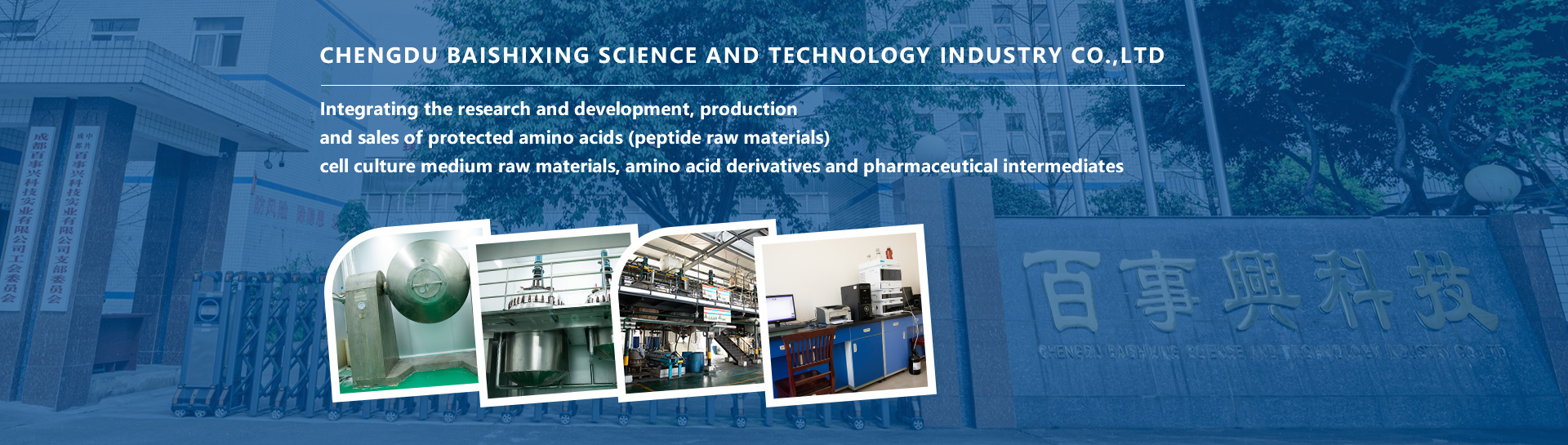
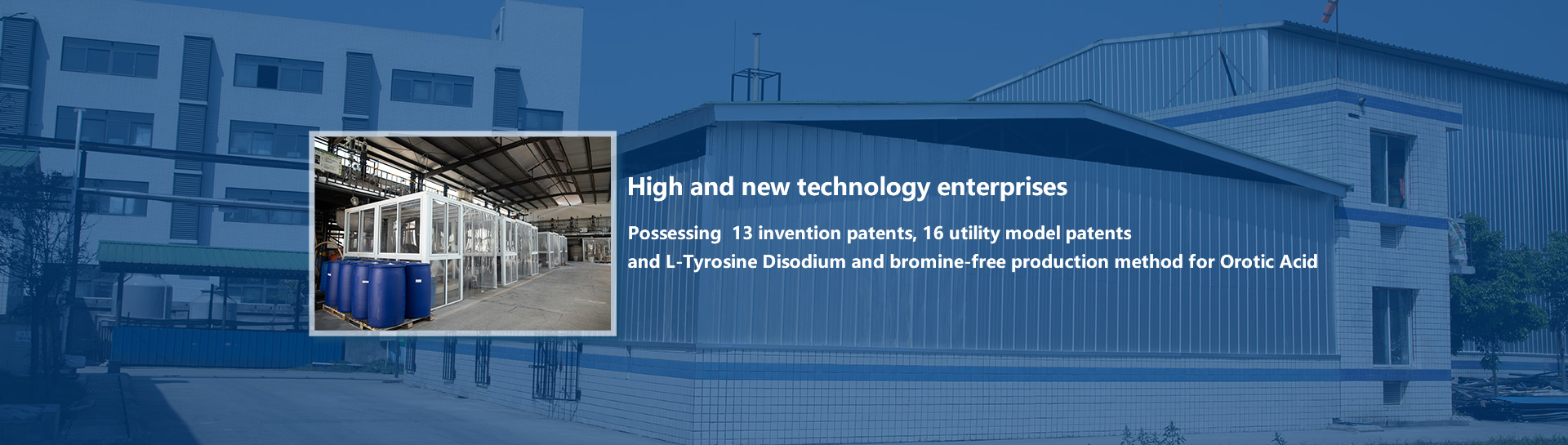
The Asia-Pacific production sector has achieved rapid breakthroughs in recent years, represented by Chinese manufacturers distributed in Shandong, Jiangsu and Zhejiang fine chemical clusters. Enterprises including Xinhua Pharmaceutical, Zhejiang Medicine and Baishixing Co., Ltd. have realized stable mass production of food and pharmaceutical-grade magnesium orotate, with export volume growing 18.5% year-on-year in 2024, mainly shipping to Europe, North America and Southeast Asian markets. The market forms a clear two-tier competitive landscape: European leading enterprises control ultra-high-purity medical-grade products with strict impurity limits and complete international certification; Asian manufacturers occupy mid-end food and sports nutrition-grade segments with balanced cost performance, while small scattered workshops only produce low-purity industrial-grade materials with narrow application scope.
The upstream supply chain is restricted by orotic acid raw material capacity, which forms a natural production threshold. Orotic acid synthesis involves multi-step chiral chemical reactions with high environmental compliance costs, limiting new entrants into the magnesium orotate industry and avoiding disordered capacity expansion seen in bulk amino acid and inorganic magnesium sectors. Raw material cost fluctuations of orotic acid and magnesium carbonate become the core factor affecting factory quotation adjustments throughout the year.
(3) Downstream Demand Segmentation and Regional Consumption Characteristics
Dietary supplements constitute the largest downstream consumption segment, contributing 44.8% of total market revenue in 2025. Subdivided into two core tracks: cardiovascular health care products targeting middle-aged and elderly groups, and sports nutrition raw materials for fitness enthusiasts. Clinical research confirming magnesium orotate’s unique myocardial energy metabolism regulation effect drives steady demand growth in cardiovascular supplementary formulations, while its capacity to relieve post-exercise muscle soreness and maintain intracellular electrolyte balance makes it a premium ingredient for high-end BCAA and recovery protein powder, differentiating it from cheap magnesium oxide with severe diarrhea side effects.
The pharmaceutical intermediate segment holds the highest profit margin, applied in parenteral nutritional preparations, adjuvant therapeutic raw materials for mild heart failure and myocardial repair auxiliary agents. Pharmaceutical-grade magnesium orotate requires strict control over heavy metals, single impurities and microbial indicators, complying with USP and EP standards, with long-term fixed framework orders from biopharmaceutical enterprises and minimal price volatility. Emerging small-demand fields include laboratory biochemical reagents and veterinary cardiac nutritional additives, maintaining steady low-volume incremental growth.
Regionally, North America ranks the top consumption market with a 35.1% revenue share, supported by mature health supplement retail channels and high consumer acceptance of premium mineral ingredients. Europe follows closely, driven by strict preventive healthcare concepts and standardized cardiovascular auxiliary medication markets. The Asia-Pacific market becomes the fastest-growing consumption region, as rising disposable income, aging population and booming domestic fitness industry continuously lift demand for imported and domestic magnesium orotate products. Latin America, the Middle East and Africa remain emerging incremental markets with low current consumption volume but broad untapped potential.
(4) Core Restraining Factors Restricting Current Market Expansion
First, high comprehensive production costs limit market popularization. The complex multi-step synthesis and high-standard purification process of magnesium orotate lead to factory prices several times higher than ordinary magnesium citrate, raising terminal product retail prices and restricting large-scale penetration into mass-market low-cost supplement lines. Second, insufficient consumer cognition is a prominent bottleneck. Most consumers and even grassroots medical practitioners lack understanding of the difference between magnesium orotate and conventional magnesium salts, unaware of its cellular-level targeted delivery advantage, resulting in low active selection rate compared with well-known magnesium varieties. Third, inconsistent regional regulatory standards create market barriers; health function claim restrictions for magnesium supplements vary widely across Europe, the United States and Asia, limiting standardized cross-border product promotion. Fourth, limited public clinical popularization data restricts prescription-level adoption, and most applications remain concentrated in over-the-counter supplements rather than first-line clinical therapeutic raw materials.
2. Future Long-Term Development Trends of the Magnesium Orotate Market
(1) Downstream Demand Structure Upgrades: Cardiovascular and Sports Nutrition Become Core Growth Engines
The proportion of pharmaceutical and high-end nutritional segments in total consumption will continuously rise, while low-purity industrial-grade demand accounts will gradually shrink. Global population aging drives sustained expansion of cardiovascular sub-health groups; long-term clinical trial evidence will further promote magnesium orotate’s recognition among cardiologists, boosting its application in hospital special nutritional formulas and chronic cardiac auxiliary intervention products. The global sports nutrition market maintains double-digit annual growth, and fitness consumers increasingly pursue high-absorption, low-irritation mineral raw materials, pushing magnesium orotate to replace traditional magnesium salts in mid-to-high-end recovery supplements.
New innovative application scenarios will continuously broaden market boundaries. Magnesium orotate will be developed into compound oral liquid, sustained-release tablets and transdermal absorption patches to optimize user compliance; its cell-protective characteristics will also be explored in anti-aging nutritional preparations and pet cardiac health products, forming diversified new demand growth points beyond existing mature tracks.
(2) Production Technology Iteration Reduces Costs and Improves Product Purity
Green low-carbon synthesis technology will become the core competitive barrier for leading manufacturers. Traditional chemical synthesis routes produce large amounts of waste solvent and by-products; enterprises will invest in biocatalytic one-step condensation processes to lower orotic acid conversion costs, reduce impurity generation and cut environmental treatment expenses by more than 10%. Continuous flow reaction and integrated membrane filtration purification equipment will be widely promoted, enabling medium-sized Asian factories to stably produce EP/USP-compliant pharmaceutical-grade magnesium orotate, breaking European enterprises’ long-term technical monopoly on ultra-high-purity products.
Vertical industrial chain integration will become mainstream competitive strategy. Leading manufacturers will extend upstream to self-synthesize orotic acid raw materials to stabilize cost fluctuations, and expand downstream to launch compound finished nutritional formulas combining magnesium orotate with BCAAs, coenzyme Q10 and L-carnitine, lifting overall product gross profit margins and reducing reliance on single bulk raw material sales. Small factories without integrated capacity will face elimination under stricter global impurity and emission standards, and industry concentration will further increase in the next decade.
(3) Global Supply Chain Layout Diversifies, Asia-Pacific Manufacturers Expand International Market Share
The single European monopoly pattern of high-end raw materials will gradually shift, with Chinese qualified manufacturers emerging as important global suppliers. Relying on complete fine chemical industrial supporting facilities, stable corn-based chemical raw material supply and flexible customized service capabilities, Asian manufacturers will continuously obtain international certifications including FDA DMF, CEP, Kosher and Halal, expanding export share in North America, Europe and Southeast Asia. Multinational downstream brands will diversify supplier sources to avoid single-region supply risks, reducing long-term dependence on European raw material factories.
Localized production layout will advance moderately; a small number of multinational enterprises will build semi-finished product purification workshops in North America and Southeast Asia to shorten logistics cycles and adapt to regional regulatory requirements, yet core synthesis links will still be concentrated in regions with mature orotic acid production capacity. Cross-border technical cooperation and joint factory construction will accelerate the circulation of green synthesis technology globally, balancing the mismatch between production bases and core consumption markets.
(4) Consumer Education and Regulatory Standard Unification Drive Market Popularization
Global brand manufacturers and industry associations will carry out systematic popular science promotion focusing on the cellular absorption and cardiac protection advantages of magnesium orotate, narrowing the cognitive gap between magnesium orotate and mainstream magnesium varieties. Medical institutions will launch joint clinical popularization projects to raise recognition among clinicians and nutritionists, expanding its application in clinical special nutrition fields. With unified global food and pharmaceutical raw material impurity standards, cross-border health claim regulatory differences will gradually narrow, facilitating standardized global listing of magnesium orotate-containing finished products.
Clean label consumption trends will further boost market competitiveness. Magnesium orotate synthesized via green biocatalysis, free of residual heavy metals and organic solvents, perfectly matches consumers’ demand for natural, low-impurity nutritional raw materials. Downstream brands will take high-purity magnesium orotate as a differentiated product selling point to build premium product lines, forming a positive cycle of demand expansion and capacity upgrading.
(5) Competition Shifts from Cost Rivalry to Comprehensive Strength Competition
Homogeneous price competition will fade in the high-end market, and competition will center on technical strength, certification completeness, customized service and formulation technical support. European enterprises retain advantages in top-grade pharmaceutical raw materials relying on decades of patent accumulation and clinical research data reserves; Chinese manufacturers rely on cost performance, flexible small-batch customized production and rapid after-sales technical support to seize mid-end food and sports nutrition market share. Brands that only rely on low-price low-purity products will be squeezed into narrow industrial-grade application space with limited profit margins.
Strategic cooperation between raw material manufacturers and downstream formulation brands will increase significantly, including joint development of targeted compound formulas, joint clinical research projects and exclusive long-term supply agreements, locking stable demand and reducing market operation volatility. Cross-border mergers and acquisitions between fine chemical enterprises will accelerate, further reshaping the global magnesium orotate competitive landscape.
In 2026, the global magnesium orotate market presents a development pattern of steady growth, concentrated European high-end production and rising Asia-Pacific supply capacity, with demand mainly concentrated in premium nutritional supplements and pharmaceutical intermediates. Insufficient consumer cognition, high production costs and raw material capacity restrictions are the main short-term industry constraints. Looking forward to the next decade, the industry will witness five major evolutionary trends: cardiovascular and sports nutrition drive sustained demand growth, green biocatalytic technology reduces production thresholds, Asia-Pacific manufacturers expand global market influence, consumer popularization and unified regulatory standards accelerate market penetration, and competition shifts from simple cost competition to integrated strength rivalry. Supported by aging population expansion, global fitness consumption boom and advances in clinical nutritional intervention, magnesium orotate will maintain robust long-term growth momentum. Enterprises mastering integrated industrial chain layout, independent green synthesis technology and complete international certification systems will occupy a dominant competitive position in the global premium magnesium raw material market.