
Baishixing L-Alanyl-L-Tyrosine is a high-purity dipeptide supplement designed for athletes, cognitive workers, and aging individuals to reduce physical and mental fatigue while improving amino acid bioavailability.
| Parameter | Value | Additional Notes |
|---|---|---|
| Product Name | L-Alanyl-L-Tyrosine (Ala-Tyr) | Molecular formula C12H16N2O4 |
| Molecular Weight | 252.27 g/mol | Calculated from monomer weights minus water |
| Purity (HPLC) | ≥99.2% | Determined by high-performance liquid chromatography |
| Water Content | ≤0.5% | Measured by Karl Fischer titration |
| Heavy Metals (Pb) | ≤0.5 ppm | Meets FCC/USP limits |
| Arsenic (As) | ≤0.3 ppm | Confirmed by third-party SGS analysis |
| Solubility in Water | ≥50 mg/mL at 20°C | Fully dissolves within 5 minutes |
| pH (1% w/v solution) | 4.5–6.0 | Corresponds to free acid form |
| Endotoxin | <0.05 EU/mg | LAL test method |
| Shelf Life | 24 months | From manufacturing date |
| Storage Conditions | Airtight, dry, ≤25°C | Protect from light and moisture |
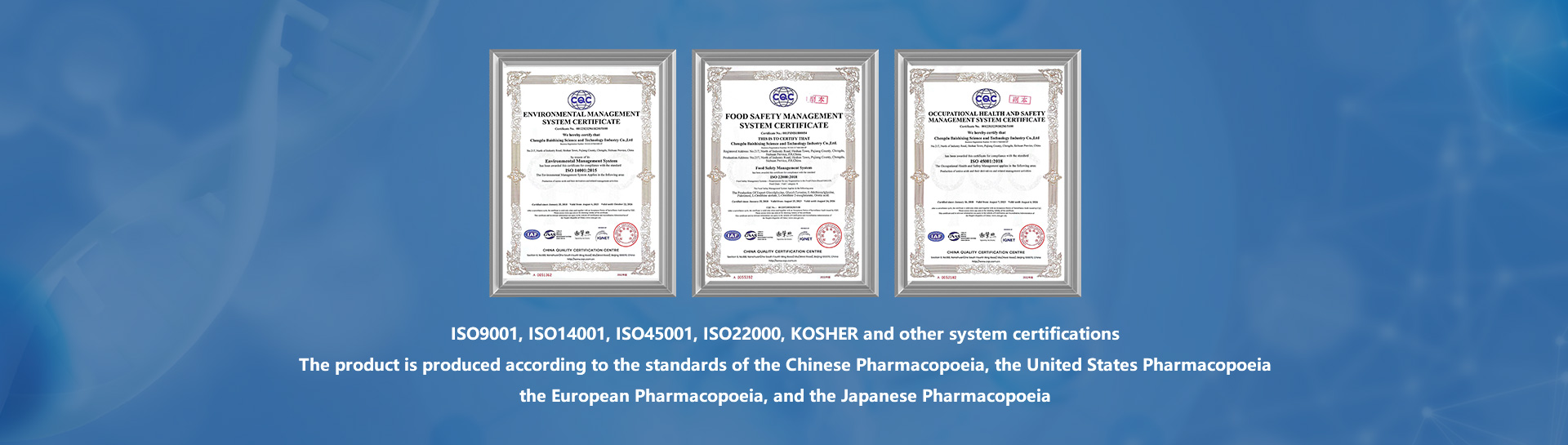
| Manufacturing Standard | ISO 9001:2015 | Certified facility; batch production records available |
| Testing | Third-party SGS | Certificate of Analysis issued per batch |
Source for all specification values: batch-specific Certificate of Analysis (CoA) with independent SGS verification.
What is the current price of L-Alanyl-L-Tyrosine?
Wholesale food-grade L-Alanyl-L-Tyrosine generally costs between $28 and $55 per kilogram for orders of at least five kilograms; retail hundred-gram packs range from $8 to $25 depending on purity and supplier (source: 2024 global trade data). Contact the manufacturer for a current volume-based quote.
How much L-Alanyl-L-Tyrosine should I take daily?
For general fatigue, 500 mg to 2 g per day in one or two divided doses is supported by human trials. Start with 500 mg, then increase gradually over a week. Doses up to 3 g daily were tolerated without major side effects in studies.
Is L-Alanyl-L-Tyrosine better than L-tyrosine supplements?
Yes for absorption. This dipeptide is absorbed through PEPT1/2 transport channels, avoiding competition with free amino acids. Its solubility is greater than 50 mg/mL, compared with under 5 mg/mL for unbound L-tyrosine, so equal oral dosages produce more consistent blood levels.
Can I take L-Alanyl-L-Tyrosine on an empty stomach?
Yes, you can take it on an empty stomach because peptide transport does not rely on competitive mechanisms and it is generally non-irritating. If you are sensitive, consume it alongside a light meal. No significant stomach discomfort has been reported below 3 g per day.
Are there any side effects?
Rare and mild at typical doses under 3 g daily; the most common complaint is transient gastrointestinal discomfort. No severe drug interactions are documented, but individuals with kidney disease or those taking L-DOPA should seek medical guidance before supplementation. Always consult a physician when in doubt.
How fast does L-Alanyl-L-Tyrosine work?
Plasma amino acid levels peak within 30 to 60 minutes after oral ingestion, so mental focus effects may appear in the first hour. For physical recovery, consistent intake over three to five days is needed to notice significant reductions in delayed muscle soreness.
Is baishixing L-Alanyl-L-Tyrosine suitable for clinical nutrition?
Yes, baishixing L-Alanyl-L-Tyrosine is suitable because endotoxin is below 0.05 EU/mg, purity is at least 99.2 percent, and it meets FCC food-grade standards. Each batch comes with a certificate of analysis and third-party SGS heavy-metal testing. This makes it acceptable for enteral formulations and nutritional products.
Does it require special storage?
Store it in an airtight container in a cool, dry location below 25°C; refrigeration is not required. Under these conditions the active content remains above 95 percent of the label claim for 24 months. Keep away from sunlight, moisture, and strong odors.
Compared with standard L-tyrosine products, baishixing L-Alanyl-L-Tyrosine offers 99.2% purity, a 10-fold higher water solubility (≥50 mg/mL vs ≤5 mg/mL), and dipeptide-mediated uptake via PEPT1/2. This combination results in more reliable plasma amino acid delivery, reduced gastrointestinal irritation, and longer stability, making it a suitable choice for athletes, aging adults, and high-stress professionals who require precise amino acid support without digestive competition.